How Accessible is British Law? with Charlotte Gleed | How to Think Like a Lawyer
In this episode
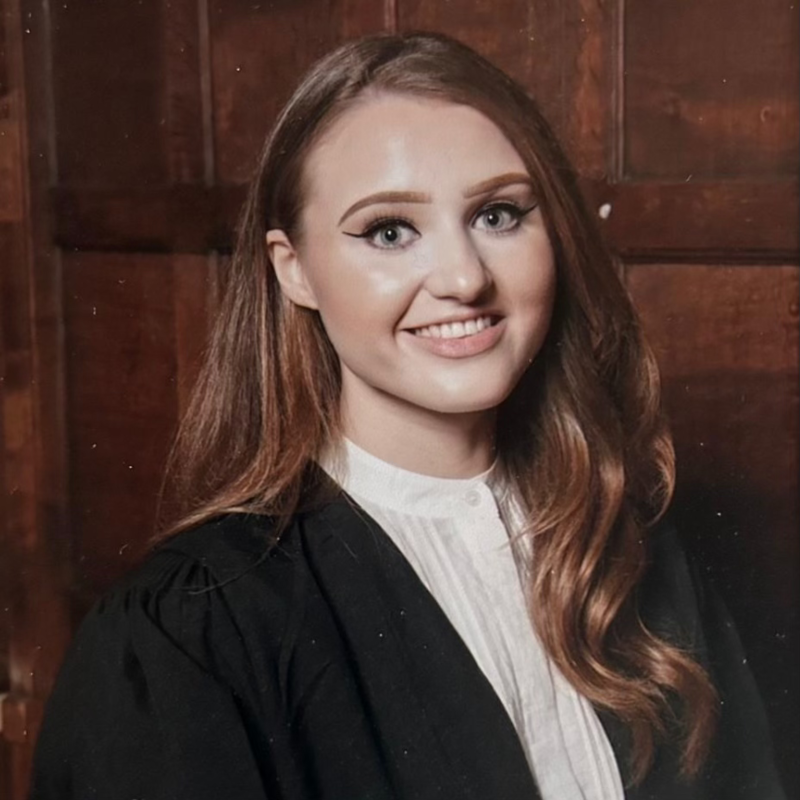
In the sixth episode of How to Think Like a Lawyer, Alexander is joined by Charlotte Gleed, author of the article Breaking the Bar, for a conversation about who gets into the legal profession, and who feels it is for them.
Charlotte studied History at Oxford, completed an MPhil at Cambridge and is now at Harvard. She explains why she didn’t feel confident applying for law as an undergraduate, how she funded her route to the Bar through an Inns of Court scholarship, and why you don’t need a law degree to become a lawyer. She compares the solicitor and barrister routes, including why the Bar is more financially precarious, and why the advocacy at the heart of the job drew her to it.
The conversation explores what “accessible” really means: entry, progression or belonging. Charlotte explains why access schemes can be narrow in who hears about them, why the Bar puts so much weight on academic credentials and the university you attended, and how pro bono work, volunteering and advocacy show you are more than your grades.
Charlotte also shares how she built experience from the age of eighteen: going to her local Crown Court, doing a mini-pupillage, shadowing barristers, sitting on the bench at the Court of Appeal, and messaging barristers on LinkedIn, where most won’t reply but one yes can change everything.
Alexander and Charlotte then ask whether Britain’s real problem is who gets access to law or who feels it is for them. Charlotte discusses belonging, Inner Temple’s Pegasus Access Scheme, mentoring and marshalling, and why the Inns of Court can feel both majestic and exclusive. She also explains how her History degree shaped the way she approaches legal questions, from criticality to seeing both sides of an argument.
Finally, Charlotte answers the big one: if she could change one thing about the route into the Bar, what would it be? Her answer is about confidence, belonging and why power shouldn’t be concentrated in a narrow social circle.
Topics covered include: access to the legal profession, becoming a barrister, becoming a solicitor, studying law without a law degree, the law conversion course, Inns of Court scholarships, Inner Temple, the Pegasus Access Scheme, mini-pupillage, pupillage, marshalling, widening access, belonging, elite universities, academic credentials, pro bono, networking, LinkedIn, advocacy and careers at the Bar.
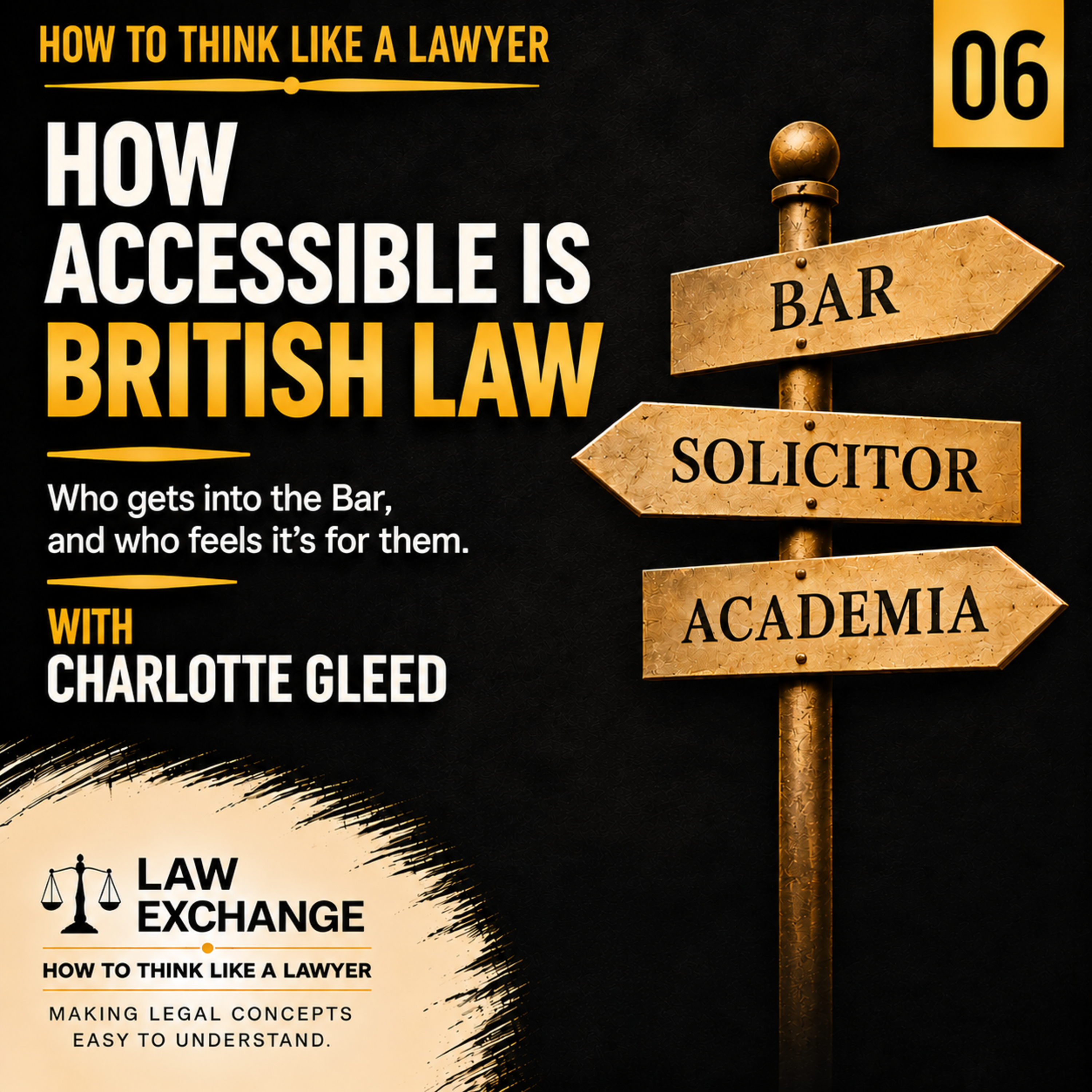
How to Think Like a Lawyer — Episode 06: How Accessible Is British Law? with Charlotte Gleed.


 Spotify
 Apple Podcasts
 YouTube
 Amazon Music
 Castbox